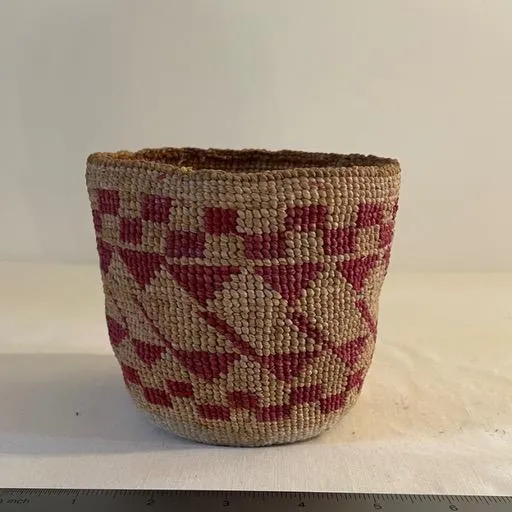
The History and Value of Native American Baskets: A Collector's Guide
The History and Value of Native American Baskets: A Collector’s Guide
Table of Contents
1. Introduction
2. The Rich History of Native American Basketry
- Southwest Basketry (Hopi, Apache, Navajo)
- California Basketry (Pomo, Yokuts, Miwok)
- Northwest Coast & Plateau Basketry (Tlingit, Nez Perce, Salish)
- Plains & Eastern Woodlands Basketry (Cherokee, Choctaw, Seminole)
3. What Makes a Native American Basket Valuable?
- Age & Provenance
- Tribal Origin
- Craftsmanship & Materials
- Condition & Preservation
- Rarity & Uniqueness
4. How to Identify Authentic Native American Baskets
- Look for Natural Materials
- Examine the Weaving Technique
- Check the Patina and Wear
- Beware of Tourist-Trade Baskets
- Buy from Reputable Sources
5. Caring for Your Native American Basket Collection
- Store Properly
- Handle With Care
- Display Thoughtfully
6. Where to Find Authentic Native American Baskets
7. Conclusion
1. Introduction
Native American baskets are more than just woven containers—they are intricate works of art that tell the stories of diverse Indigenous cultures across North America.
These handcrafted pieces have been used for centuries in daily life, ceremonies, and trade, and today, they hold immense value for collectors and historians alike. Whether you're a seasoned antique dealer, a passionate enthusiast, or just beginning your collection, understanding the history, craftsmanship, and value of Native American baskets is essential.
2. The Rich History of Native American Basketry
Native American tribes have been weaving baskets for thousands of years, using locally sourced materials and traditional techniques passed down through generations. Each region and tribe developed distinct styles, patterns, and purposes for their baskets.
- Southwest Basketry (Hopi, Apache, Navajo)
- Known for intricate geometric patterns and tight coiling techniques.
- Hopi are famous for coiled plaques with symbolic designs.
- Apache baskets were used for food storage, ceremonies, and trade.
- California Basketry (Pomo, Yokuts, Miwok)
- Pomo baskets are highly sought after for their delicate feathered designs and bead embellishments.
- These baskets were often used in ceremonies and as status symbols.
- Northwest Coast & Plateau Basketry (Tlingit, Nez Perce, Salish)
- Baskets are often twined rather than coiled.
- Tlingit and Nez Perce baskets are finely woven using spruce root and cedar bark.
- Plains & Eastern Woodlands Basketry (Cherokee, Choctaw, Seminole)
- These baskets feature plaited and twined weaving techniques.
- Cherokee crafted durable double-woven baskets, often made from river cane, white oak, and hickory bark.
3. What Makes a Native American Basket Valuable?
If you are considering collecting Native American baskets, its important to know what determines their value. Many factors can influence the price, including age, tribal origin, craftsmanship, rarity, and condition.
- Age & Provenance
- Older baskets from the late 19th and early 20th centuries tend to be more valuable.
- Baskets with documented history, tribal origins, or ties to historical figures fetch higher prices.
- Tribal Origin
- Certain tribes & baskets are more sought after due to intricate craftsmanship and rarity.
- Pomo feathered baskets and Apache burden baskets are among the most prized.
- Craftsmanship & Materials
- Handwoven baskets using natural fibers like willow, yucca, and spruce root are more valuable than mass-produced baskets.
- Tight weaving and unique tribal patterns increase a basket’s worth.
- Condition &Preservation
- Baskets in excellent original condition hold higher value.
- Sun fading, broken stitches, and structural damage can lower a basket’s worth.
- Rarity & Uniqueness
- Limited-production or one-of-a-kind baskets are highly desirable.
- Baskets with rare designs, beadwork, or ceremonial significance are especially valuable.
4. How to Identify Authentic Native American Baskets
With the rise in demand for Native American baskets, many reproductions and fakes have entered the market. Here’s how to ensure you’re purchasing an authentic piece.
- Look for Natural Materials
- Authentic baskets are made from organic plant fibers like willow, sumac, cedar, or sweetgrass.
- Synthetic materials are a red flag.
- Examine the Weaving Technique
- Coiled baskets (Pomo, Apache, Hopi) have tight, concentric stitches.
- Twined baskets (Tlingit, Nez Perce, Salish) feature horizontal and vertical weaving patterns.
- Check the Patina and Wear
- Older baskets should show natural aging, including subtle color changes and wear.
- Avoid baskets that look artificially aged.
- Beware of Tourist-Trade Baskets
- Many baskets made after the 1930s were mass-produced for tourists and are less valuable.
- Handcrafted tribal-use baskets are more desirable.
- Buy from Reputable Sources
- Always purchase from trusted dealers, antique auctions, or tribal artisans.
- Documentation of the basket’s history and tribal affiliation is a major plus.
5. Caring for Your Native American Basket Collection
To preserve the beauty and value of your collection, follow these expert care tips:
- Store Properly
- Keep baskets in a cool, dry place to prevent mold and warping.
- Avoid direct sunlight, which can fade natural dyes and weaken fibers.
- Handle With Care
- Always handle baskets with clean, dry hands to prevent oil transfer.
- Use a soft brush to remove dust—never use water or harsh cleaning agents.
- Display Thoughtfully
- Use museum-grade acrylic stands to minimize strain on the fibers.
- Rotate baskets occasionally to prevent uneven aging.
6. Where to Find Authentic Native American Baskets
If you’re looking to add genuine Native American baskets to your collection, here are the best sources:
- Grosbeak Antiques – We specialize in authentic Native American artifacts, including rare and valuable baskets.
- Antique Shows & Auctions – Reputable auction houses often feature high-quality tribal pieces.
- Tribal Artists &Galleries – Purchasing directly from Indigenous artisans supports cultural preservation.
7. Conclusion
Native American baskets are more than just antiques—they are cultural treasures with deep historical significance.
Whether you’re a seasoned collector or just starting out, understanding the artistry, history, and value behind these woven masterpieces will help you make informed purchases and care for your collection properly.
If you're looking for authentic, high-quality baskets, explore our carefully curated selection at Grosbeak Antiques.
Start your journey into Native American basketry today and own a piece of history!
